Forcing Spring Bulbs Indoors: A Seasonal Step-by-Step Guide
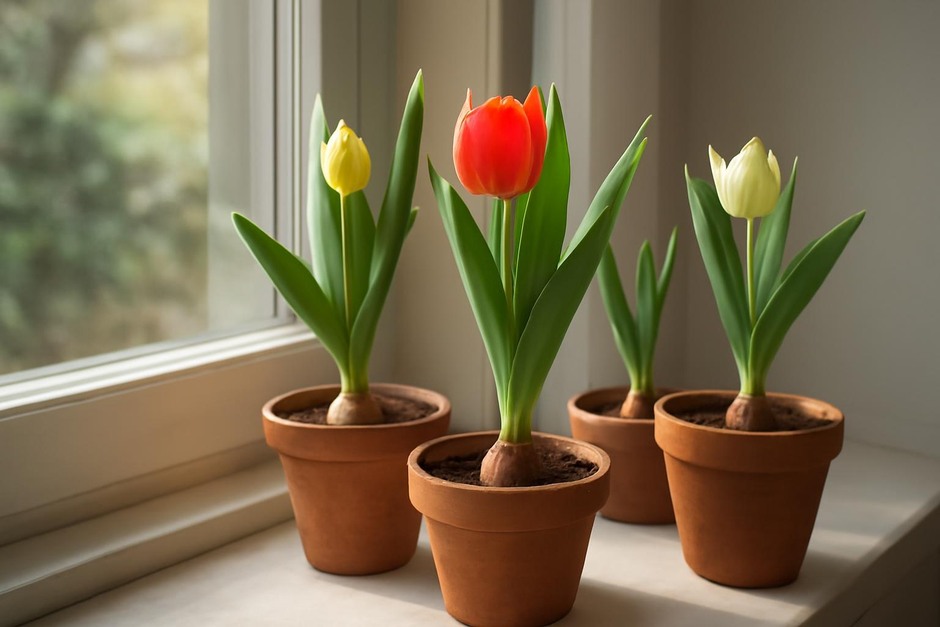
Why force bulbs indoors this season?
Forcing bulbs lets you enjoy a burst of spring color at home while the garden is still resting. The process relies on a simple lifecycle cue: many spring bulbs need a cold period before they will send up roots and flower. Below is a straightforward, repeatable method you can use on a kitchen windowsill, balcony corner, or entryway table.
Step-by-step method
-
Choose your bulbs.
Select healthy, firm bulbs without soft spots. Good candidates for forcing are hyacinths, tulips, narcissi (daffodils), and paperwhites. Note that paperwhites and some varieties of narcissus often do not need chilling; others usually do.
-
Decide on containers and medium.
Use pots with drainage for soil-based forcing, or special bulb vases and a shallow bowl with pebbles for water forcing. For soil, a free-draining mix (two parts potting soil to one part grit or sand) works well.
-
Planting depth and spacing.
Set bulbs pointy end up. As a rule, the top of the bulb should sit just below the soil surface or slightly visible for pebbles-and-water arrangements. Leave a little air space between bulbs so they don’t touch directly.
-
Provide the cold period if needed.
Most tulips and many hyacinths require a cool period to imitate winter. Place planted pots or bare bulbs in a cool location (such as an unheated garage) or in a refrigerator kept around 35–45°F (2–7°C) for about 8–14 weeks depending on species: hyacinths often need 8–12 weeks, tulips 10–14. Paperwhites typically need no chilling and can be started immediately.
-
Check periodically.
Keep soil slightly moist but not waterlogged during chilling. For bulbs in water, keep the base just above water until roots develop. After the cooling period, bring bulbs into a cool bright spot (around 10–15°C) for roots to strengthen for a week, then move them to a warmer, sunnier window.
-
Bring into light and warmth.
Once shoots appear, place bulbs in bright, indirect light and moderate indoor temperatures to encourage flowering. Rotate pots for even growth and water sparingly to keep soil from drying out completely.
-
After flowering care.
Enjoy blooms for their natural span. After flowers fade, cut back the flower stalks but leave the foliage until it yellows—this allows the bulb to replenish. You can leave bulbs in pots for next year or lift and store them in a dry, cool place outdoors if your climate permits.
Variations
- Water-forced bulbs: Hyacinths and some tulips can be forced in narrow-necked vases so only the bulb base touches water. This produces fragrant, neat displays and is especially satisfying with a single bulb per vase.
- Cluster pots: Plant several bulbs close together in a shallow container for an abundant, dramatic effect. Use good drainage and a porous compost to prevent rot.
- Layered bowls: Create a decorative bowl by arranging bulbs atop a layer of pebbles or moss; add enough water to touch the bulb bases. This is a simple, low-soil approach for short-term displays.
- Pre-chilled purchases: Buy bulbs that have been pre-chilled by nurseries and skip the fridge step. These are convenient if you want a quicker setup in late winter.
Troubleshooting
Bulbs won’t root during the cold period
- Check temperature and moisture: too warm or too wet can prevent root development. Aim for steady cool temperatures and lightly moist compost.
- Try a few replacement bulbs: some stock may be dormant or damaged.
Stems are long and floppy (leggy)
- Insufficient light causes stretching. Move bulbs to a brighter window as shoots emerge and rotate pots regularly.
- Cooler temperatures during growth produce sturdier stems; try keeping bulbs slightly cooler once shoots appear.
No flowers, only leaves
- Either the bulb lacked a sufficient chill or it was planted too shallow/deep. Note species chill needs and adjust next season.
- Ensure bulbs were firm and healthy when purchased—small or shriveled bulbs may produce foliage but not blooms.
Mold or bulb rot
- Reduce watering and improve drainage. Remove affected bulbs and let healthy ones dry briefly before replanting.
- Use clean containers and fresh compost to reduce disease risk.
Forcing bulbs is a patient, seasonal craft that rewards simple attention and a little planning. With a basic routine and a few adjustments, you can bring a touch of spring into the home each year.