Home Compost Methods Compared: Hot, Passive, and Worm Systems — A Field Guide to Choosing What Fits
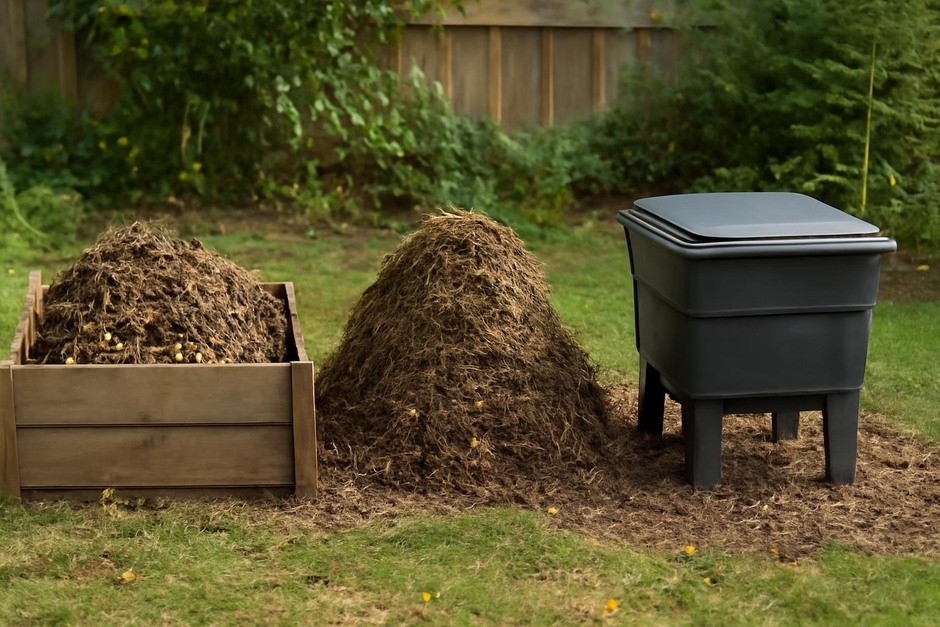
Composting at home is both an act of care and a small experiment in ecological observation. Different methods favor different rhythms: fast, intense breakdown; a low-effort, slow transformation; or a managed biological system with worms as the principal workers. Below is a practical comparison of three common approaches—hot (turned) composting, passive (cold) composting, and vermicomposting—followed by guidance to help you choose the one that will fit your household and garden.
Comparing the approaches
Hot composting (turned piles)
Overview: Hot composting aims for rapid decomposition by building a pile with balanced carbon and nitrogen, adequate moisture and frequent turning to maintain high temperatures (often 40–70°C or 104–158°F).
- Speed: Fast; finished compost in a few weeks to a few months when managed.
- Inputs: A mix of green (kitchen scraps, grass clippings) and brown materials (dry leaves, straw, shredded paper); usually larger volumes are better.
- Work: Moderate to high—requires regular turning, monitoring of moisture and temperature.
- Benefits: Kills many weed seeds and pathogens, reduces volume quickly, produces a uniform, crumbly compost.
- Observational cues: Pile should feel warm in the center; steam may appear on cool mornings; a rich, earthy smell indicates healthy activity.
Passive (cold) composting
Overview: Passive composting is low-intervention. Materials are added over time to a bin or heap and left to break down slowly without frequent turning.
- Speed: Slow; can take 6 months to 2 years for finished compost.
- Inputs: Same range of kitchen and yard waste, but finer shredding and layering help; some people add occasional brown material to offset nitrogen.
- Work: Low—mainly collecting and depositing material, occasional mixing if desired.
- Benefits: Simple and forgiving; low cost; suited to small-quantity households and those with limited mobility or time.
- Observational cues: Little heat; decomposition happens at edges first; you may notice more recognizable pieces for a long time and a milder smell overall.
Vermicomposting (worm bins)
Overview: This method harnesses earthworms, usually Eisenia fetida (red wigglers), to convert kitchen scraps into nutrient-rich castings in a contained indoor or sheltered outdoor bin.
- Speed: Moderate—often faster than cold compost but slower than a well-managed hot pile for large volumes.
- Inputs: Primarily soft kitchen scraps, coffee grounds, and small amounts of paper; avoid large woody materials, citrus in excess, and raw meat.
- Work: Low to moderate—feeding, monitoring moisture and acidity, and harvesting castings every few months.
- Benefits: Compact, suitable for apartments, produces excellent potting amendments, minimal odor when managed.
- Observational cues: Worm activity near food, moist and crumbly bedding, absence of foul smells and large pest infestations are signs of a healthy system.
How to choose: a practical decision guide
Watch your routine, the kind of waste you produce, and your available space. Use these quick checkpoints to match a method to your needs.
1. Volume and pace
- If you produce lots of garden cuttings and kitchen waste and want finished compost within months: consider hot composting.
- If you produce small, steady amounts and prefer a set-and-forget approach: passive cold composting suits you.
- If you live in an apartment or have minimal yard space: vermicomposting is the compact option.
2. Time and physical capacity
- Enjoy physical projects and don’t mind turning a pile? Hot composting rewards attention.
- Prefer low-lift routines? Passive composting is the easiest.
- Want a tidy indoor solution and can check a bin regularly? Choose worms.
3. Desired end use
- For garden beds and rapid volume reduction, hot compost shines.
- For mulch and slow soil building around shrubs, passive compost works well.
- For seed-starting mixes and potted plants, vermicompost produces nutrient-dense castings.
4. Local climate and seasonality
- Cold climates can slow passive piles; insulated or larger hot piles maintain heat better.
- Worm bins are easiest to maintain indoors during extreme weather.
5. What to observe as you start
- Smell: a healthy compost has an earthy scent. Sour or rotten odors point to too much moisture or poor aeration.
- Temperature: warmth indicates active microbes in hot compost; little warmth is normal in passive systems.
- Texture: look for crumbly dark material; persistent recognizable scraps suggest slower breakdown.
- Pests and pests’ signs: fruit flies in worm bins mean food is exposed; rodents in a pile suggest buried food or an unsecured container.
Start small and observe. If your first approach shows persistent problems—excess moisture, bad smell, or slow breakdown—you can tweak the balance of browns and greens, change aeration, or switch methods. Composting is a seasonal conversation with your waste stream; the best system is one you will keep tending in the way you enjoy. Take note, adjust, and let your observation guide you toward the method that fits your pace and space.