A Seasonal Guide to a Simple Backyard Birdwatching Station
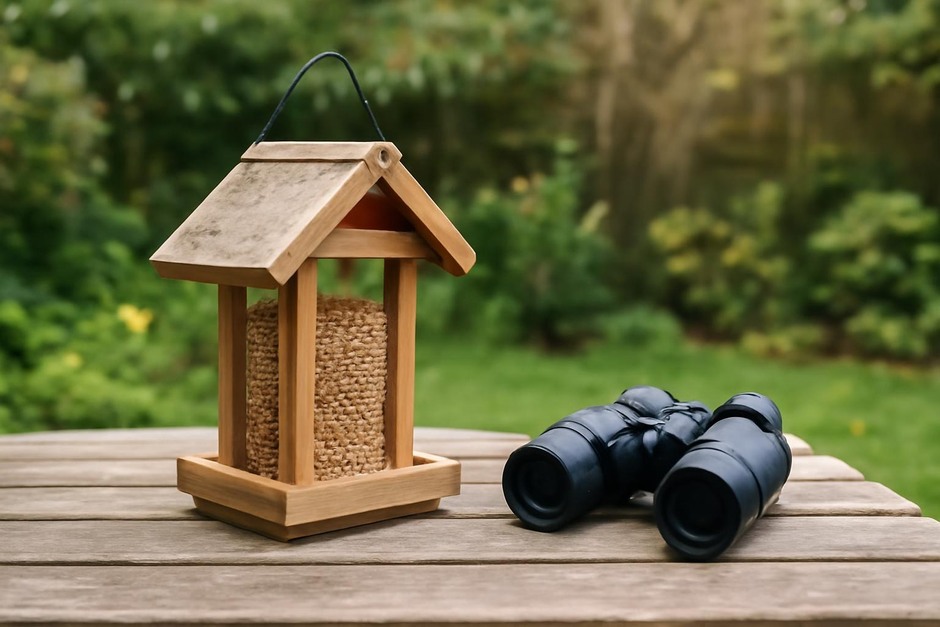
On a quiet morning, watching a regular visit from a robin or tit can make a routine feel like a small, reliable event. A simple birdwatching station need not be elaborate: a well-placed feeder, a bit of water, and a comfortable viewing spot are enough to turn ordinary days into moments of close observation and calm. This seasonal guide focuses on practical, low-cost steps you can take to enjoy birds from home without adding extra work to your week.
1. Choose the right viewing site
Start by picking a place where you will actually spend time watching. A kitchen window, a small patio table, or a bench beneath a porch can all work. Consider these points:
- Proximity: Being within 3–10 metres of the feeder is ideal for clear views and photography, but not so close that birds see you as a constant threat.
- Line of sight: A clear, unobstructed view makes identification easier. Trim a few branches if they block the sightline, but keep some nearby cover so birds feel safe.
- Comfort: Add a cushion, a small table for a cup of tea, or a chair with a throw. Comfortable observers stay longer, and longer watching reveals more behaviour.
2. Feeders and seasonal food choices
Food preferences shift with the calendar, so match the offerings to seasonal needs rather than stocking a single mix year-round.
- Autumn and winter: High-energy foods like sunflower seeds, suet, and peanuts help birds maintain body heat. Use sturdy feeders that protect seeds from wet weather.
- Spring and summer: Add mealworms and nectar (for hummingbirds if they occur locally) to support breeding birds. Fresh water becomes especially important as temperatures rise.
- Placement: Offer a variety of feeders—tube feeders for finches, platform or tray feeders for ground-feeding species, and suet cages for woodpeckers and tits. Space different feeders a few metres apart to reduce competition and show different species.
3. Water, shelter and small habitat tweaks
Water and cover are as important as food. A compact station benefits from modest, thoughtful additions that encourage birds to visit and linger.
- Water source: A shallow birdbath or a small fountain provides drinking and bathing opportunities. In colder months, consider a heated bath or change water regularly to prevent freezing.
- Native plants: Planting a few native shrubs, berry-producing bushes, or late-flowering perennials supplies shelter and natural food. Even a row of potted evergreen shrubs creates cover and visual interest.
- Perches and nesting aids: Natural branches fixed near feeders and a few nest boxes appropriate for local species add habitat value. Positioning nest boxes with the entrance away from prevailing winds increases their use.
4. Simple ethics and maintenance
Good habits keep birds healthy and your station enjoyable year after year. The investment of a few minutes each week pays dividends in welfare and visitor numbers.
- Hygiene: Clean feeders and baths every 1–2 weeks, more often in wet weather. Scrub with a mild bleach solution, rinse thoroughly and let dry to limit disease spread.
- Timing: Keep feeding consistent through harsh weather, but be mindful in spring when natural foods return; reduce supplemental feeding slowly as insects and bud burst become plentiful.
- Predator awareness: Keep cats indoors or supervised if possible; position feeders 1–2 metres from launch points and provide quick escape routes for birds.
- Respect wild behaviour: Observe rather than interfere with nesting birds, and avoid trapping or handling young unless necessary and under guidance from a wildlife rehabilitator.
Conclusion
Setting up a simple backyard birdwatching station is an accessible, seasonal project that rewards small, steady effort. Focus on a comfortable viewing spot, a mix of seasonally appropriate foods, a reliable water source, and routine maintenance. Over weeks and months you’ll begin to notice patterns—the comings and goings of migrants, the regular visits of resident species, and subtle changes in behaviour—turning ordinary moments into a quiet, ongoing discovery of local nature.